Your insurance company is not your friend, and the "friendly" adjuster they sent to your doorstep isn't there to maximize your settlement. They represent the insurer's bottom line, not your family's recovery. Mastering the house fire insurance claim process in 2026 requires more than just filling out forms; it demands a strategic, aggressive approach to documentation and negotiation. You're likely already feeling the crushing stress of complex policy language and the fear that a lowball estimate will leave you stuck in temporary housing. You're right to be wary, because the system is often designed to minimize your payout.
It's exhausting to fight for what you're owed while you're still dealing with the trauma of the fire. We understand that pressure. This guide provides a clear, step-by-step roadmap to navigate the complex 2026 fire claim timeline with total confidence. You'll learn how to hold insurers to strict NAIC model deadlines and ensure you recover every single dollar your policy owes you. We're breaking down exactly how to manage the critical first 48 hours and secure a maximum payout for your property and contents so you can finally rebuild.
Key Takeaways
- Secure your property immediately and demand a certified copy of your full insurance policy to set the stage for a successful recovery.
- Navigate the house fire insurance claim process with a meticulous room-by-room inventory that includes often-missed hidden damage to structural and electrical systems.
- Never allow an insurance adjuster to inspect your home alone; take control of the walkthrough to ensure every bit of damage is documented correctly.
- Treat the initial settlement offer as a starting point and use the appraisal clause to challenge lowball estimates that threaten your ability to rebuild.
- Leverage professional advocacy to level the playing field against billion-dollar insurers and maximize your payout without the stress of fighting alone.
Immediate Steps: The First 48 Hours After a House Fire
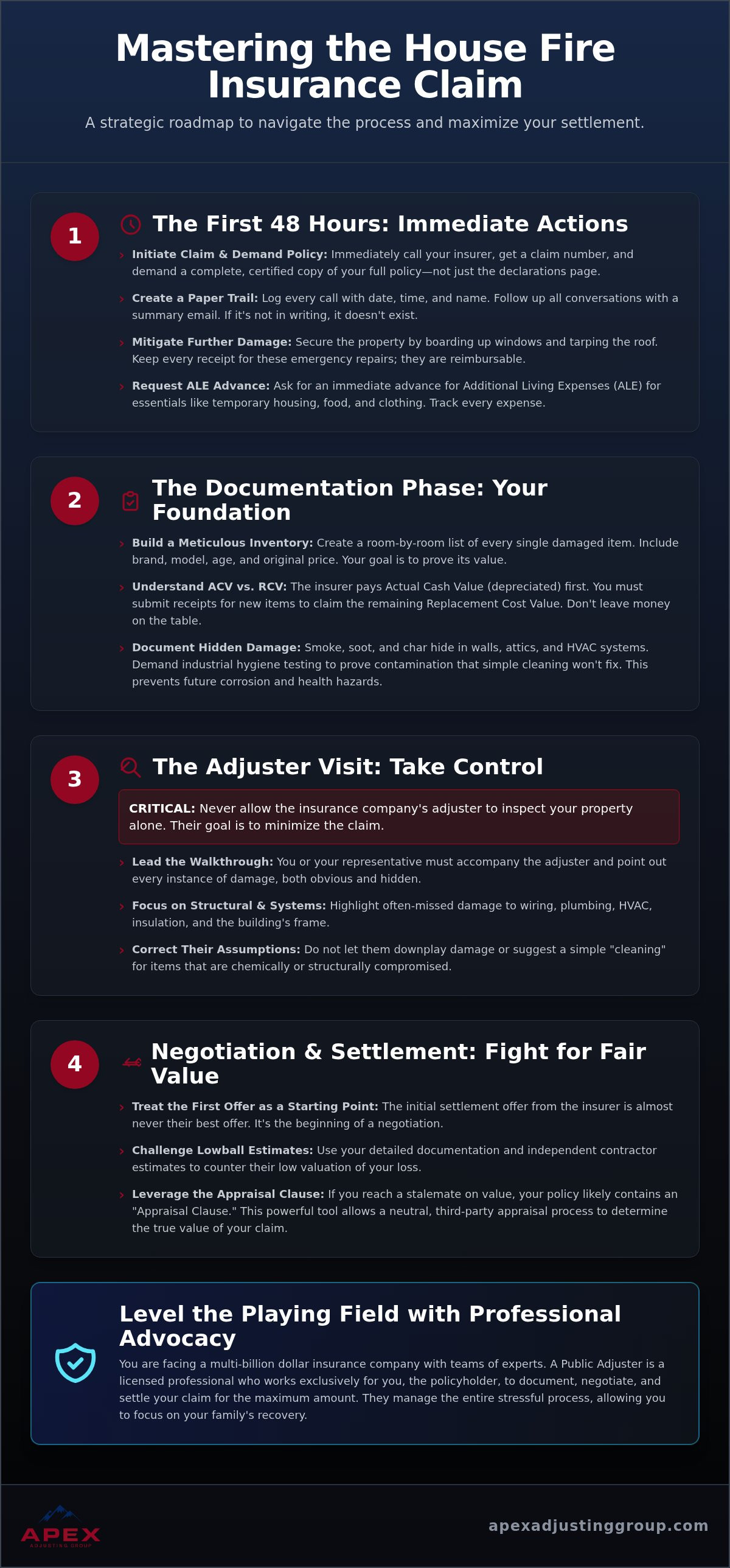
The first 48 hours after a fire are a high-stakes battleground. Your actions during this window will dictate the success of your entire house fire insurance claim process. Don't wait for the insurance company to tell you what to do. Take control. Call your carrier immediately to initiate the claim and secure your claim number. Demand a complete, certified copy of your entire insurance policy. Don't settle for the declarations page. You need the full policy language to identify the specific endorsements and exclusions that will govern your recovery.
Establish a rigid paper trail from minute one. Log every phone call. Record the date, the time, and the full name of every person you speak with. Follow up every conversation with a brief email summarizing what was discussed. If a promise isn't in writing, it doesn't exist in the eyes of the insurance company. This level of organization is your best defense against lost information or changing stories from the carrier. The house fire insurance claim process is an adversarial negotiation, and your documentation is your primary weapon.
The Duty to Mitigate: Protecting Your Rights
Your policy is a contract with specific requirements. One of the most critical is the duty to mitigate. This means you must take reasonable steps to prevent further damage. Secure the site immediately. Board up windows and tarp the roof to keep out the elements and intruders. If you fail to do this, the insurer can issue a partial claim denial for any subsequent damage. Understanding Property Insurance principles is vital here; the burden is on you to protect the asset. Keep every receipt for emergency repairs and security measures. These costs are part of your fire damage claim and should be fully reimbursed.
Additional Living Expenses (ALE) and Immediate Funds
Don't let the insurer starve you out. Request an immediate advance for emergency needs like clothing, toiletries, and medication. This money comes from your settlement, but it provides the liquidity you need to survive the first week. Track every hotel bill, restaurant receipt, and travel expense meticulously. ALE coverage is designed to maintain your standard of living, but it is not an infinite resource. Rebuilding in 2026 often faces labor and material delays. Manage your ALE funds strategically to ensure they last until the final nail is driven. If you exhaust these funds early on luxury accommodations, you will be left paying for temporary housing out of your own pocket.
The Documentation Phase: Building Your Proof of Loss
Documentation is the foundation of your recovery. Without a bulletproof inventory, the house fire insurance claim process becomes a lopsided negotiation where the insurance company holds all the cards. You must create a room-by-room inventory of every single item damaged by fire, smoke, or water. Don't just list a "television." Specify the brand, model number, age, and original purchase price. If you have photos or receipts stored in the cloud, retrieve them now. Your goal is to prove the exact value of what you lost before the fire turned it to ash.
Understand the financial mechanics of your policy. Insurers typically pay the Actual Cash Value (ACV) first, which is the depreciated value of your items. You only receive the full Replacement Cost Value (RCV) after you actually buy the replacement and submit the receipt. This is a common trap. Many homeowners accept the initial ACV check and never follow through to claim the recoverable depreciation. You are fighting for the maximum settlement. If you feel the insurer is intentionally complicating these calculations, it's time to ask: Should You Hire a Public Adjuster?
The Hidden Danger of Smoke and Soot
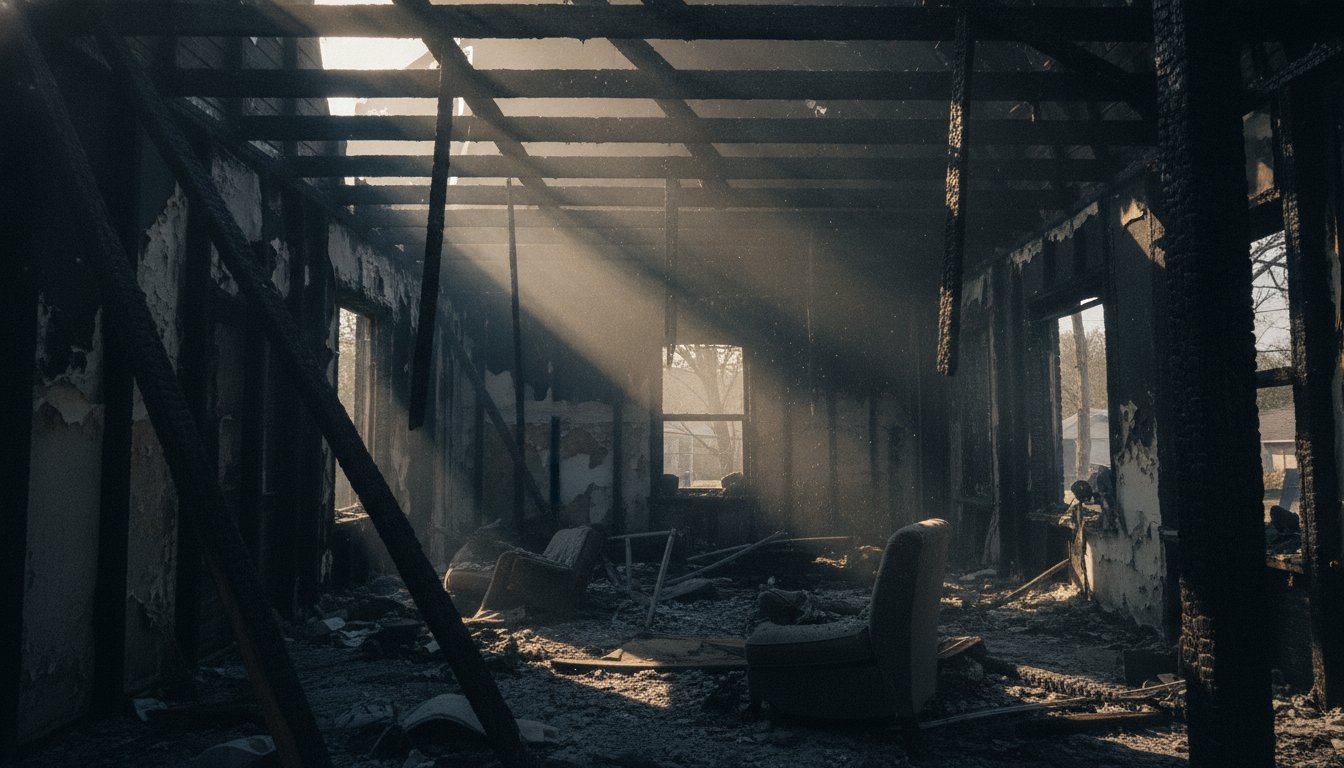
Cleaning isn't a cure for everything. Porous materials like drywall, insulation, and upholstery often trap toxic particulates that a simple surface wipe-down cannot reach. Insurers will try to save money by suggesting cosmetic cleaning for items that are structurally or chemically compromised. Demand industrial hygiene testing to verify the presence of soot and char in wall cavities and attic insulation. Use our smoke damage insurance claim checklist to ensure you're following the right testing protocols. Hidden ash can corrode electrical components and ruin HVAC systems months after the fire is out. Document these risks now to prevent a second disaster later.
Total Loss vs. Partial Loss Fires
Insurance companies often try to "repair" what clearly needs to be replaced. This is especially prevalent in partial loss claims. Force the insurer to respect the "Line of Sight" rule. This principle dictates that if a portion of your flooring or roofing is damaged and cannot be perfectly matched with existing materials, the insurer must replace the entire continuous area to maintain a uniform appearance. Never accept a "patch job" that devalues your property. For any high-heat exposure, demand a structural engineer’s assessment. Heat can compromise the integrity of steel and concrete even if there's no visible charring. If you suspect your insurer is ignoring these structural risks, request a professional claim evaluation to secure your home's safety and value.
Navigating the Adjuster Visit and Property Inspection
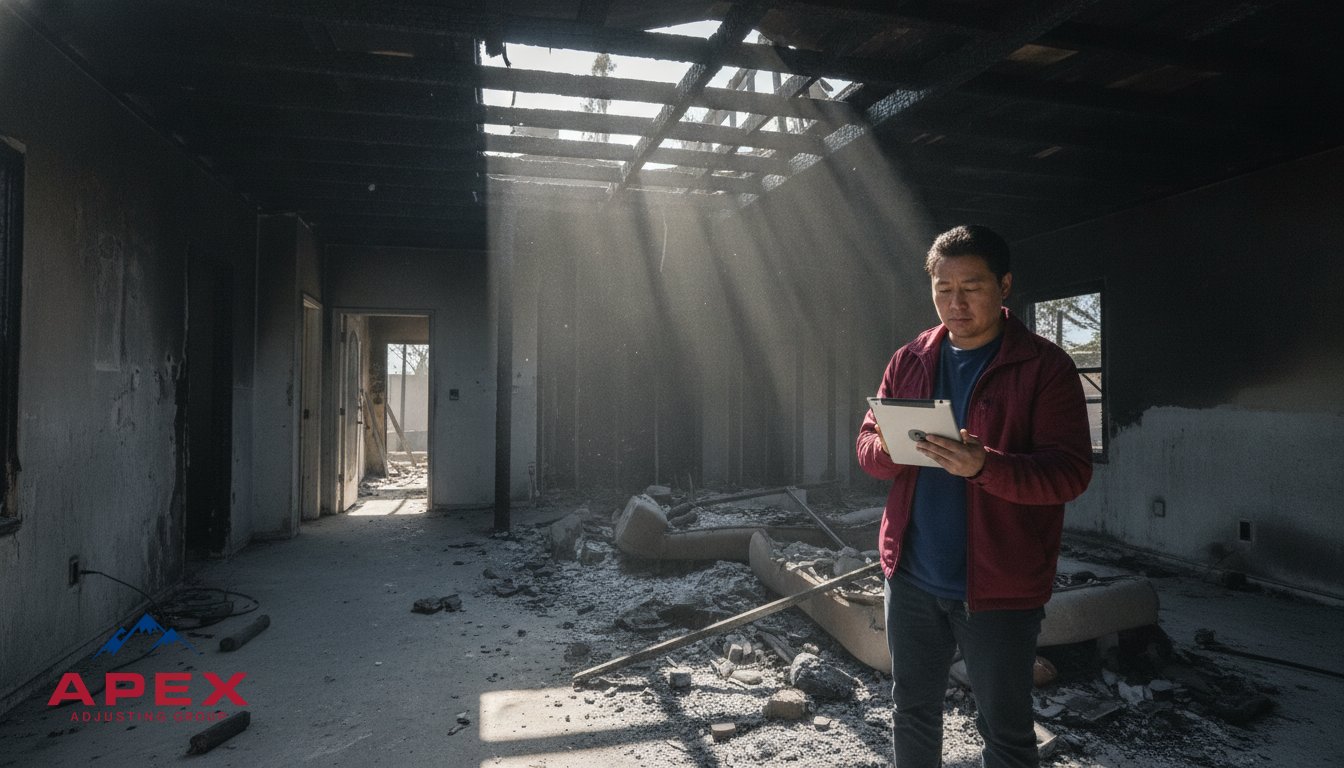
The inspection is a high-stakes event in the house fire insurance claim process. Do not mistake a friendly demeanor for a shared interest. The person standing at your door works for the insurance company, and their primary objective is to protect the carrier's bottom line. Whether they are a staff adjuster or an independent adjuster hired as a contractor, their loyalty remains with the insurer. You must be present for every second of the walkthrough. Never allow an adjuster to inspect your property alone; they are trained to identify what can be "cleaned" rather than what requires full replacement.
Be extremely cautious with recorded statements and leading questions. Adjusters often use subtle phrasing to trap you into admitting negligence or suggesting the damage was pre-existing. If they ask, "Was the fire small when you first saw it?" they are looking for a reason to argue you failed to mitigate the loss. Stick to the facts. Provide short, declarative answers. If you don't know the answer to a technical question, say so. Your only shield during this interaction is a refusal to speculate on matters that require expert analysis.
The Conflict of Interest in Standard Adjusting
The company adjuster's goal is to limit the insurer's liability by finding "lowball" repair methods. They might suggest "ozone treatment" for smoke-damaged textiles that actually need to be discarded for health reasons. You need to understand who is who in this system. A Public Adjuster is the only licensed professional legally authorized to represent your interests and negotiate on your behalf during an insurance claim. Without your own advocate, you are essentially letting the defendant's appraiser decide what your case is worth.
Managing Expectations During the Inspection
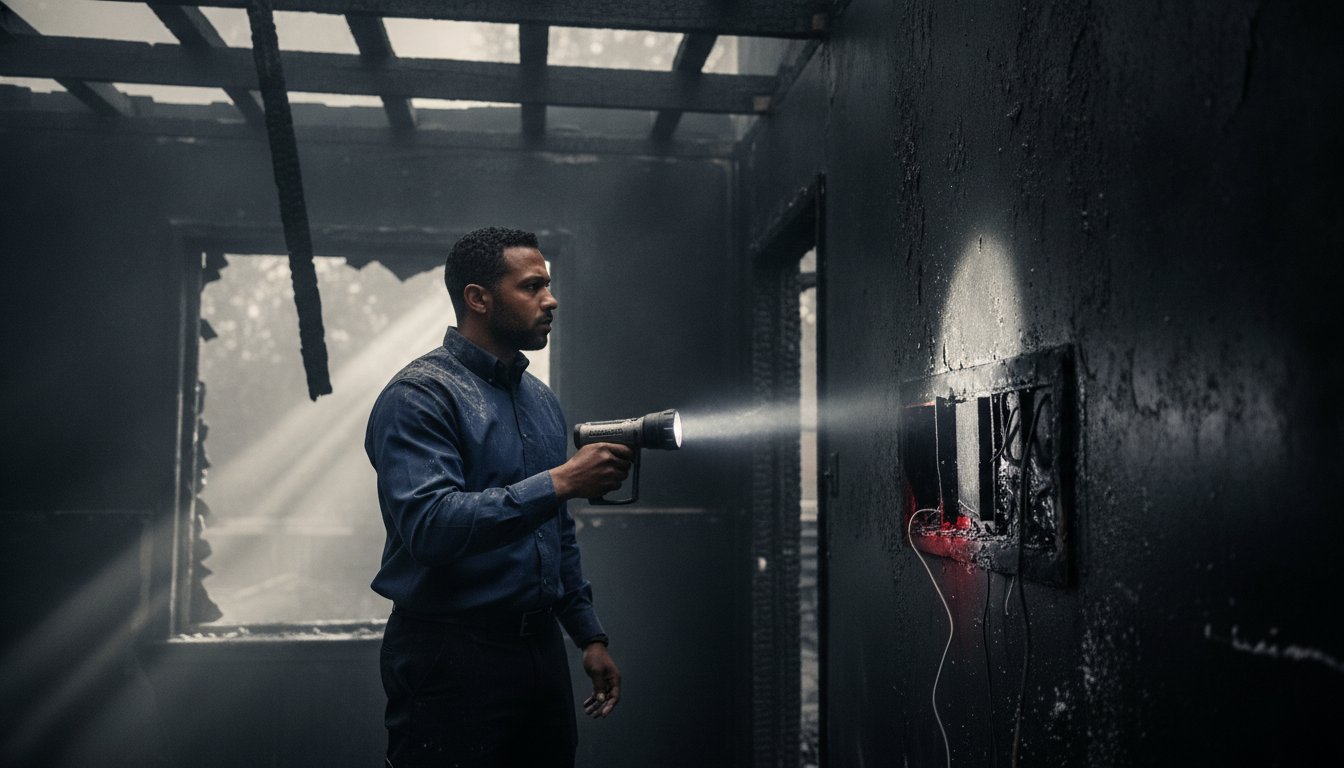
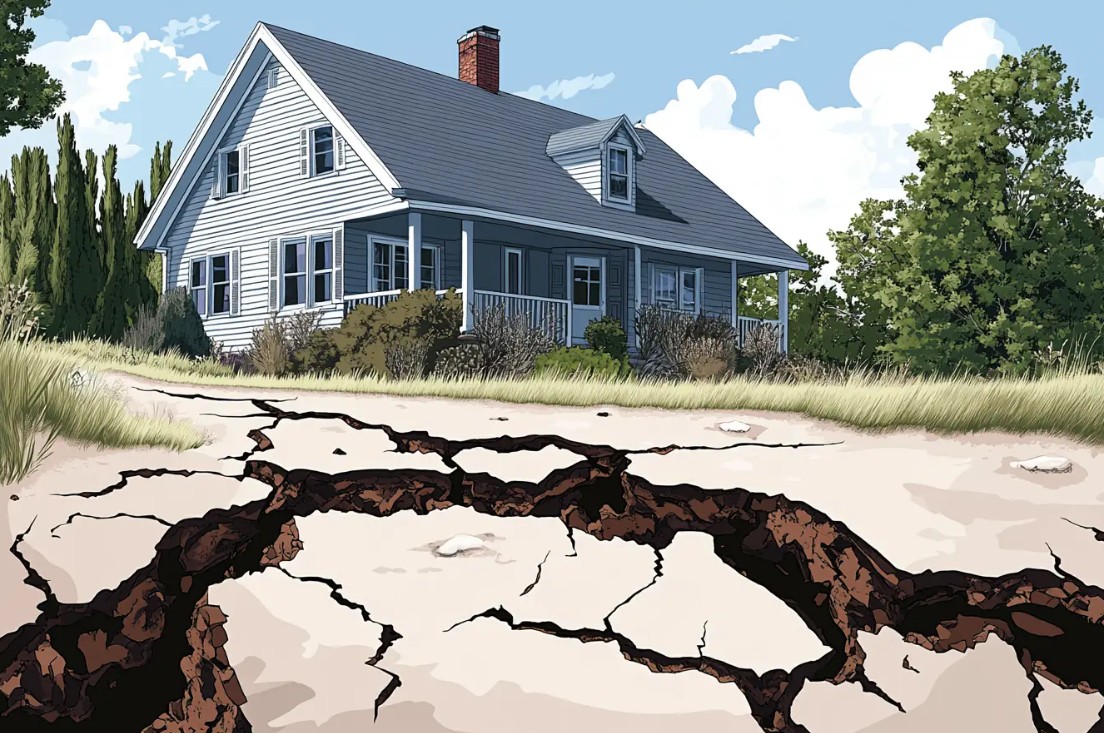
Control the narrative by pointing out damage the adjuster might conveniently overlook. High-heat exposure can cause foundation cracks that don't appear for weeks, or warp plumbing lines hidden behind walls. Demand specialized inspections for your electrical and mechanical systems. Do not accept a visual "all clear" for components that were subjected to extreme temperatures. See our fire damage services for expert inspection support to ensure no structural compromise goes unnoticed. Finally, demand a copy of the adjuster’s full estimate and the Xactimate report. This is the industry-standard software used to calculate costs. Reviewing the line items is the only way to catch missing data or undervalued materials before the settlement is finalized.
Negotiation, Settlement, and the Appraisal Clause
The first check you receive from the insurance company is almost never the final word. It's usually the "undisputed amount." This is the carrier admitting they owe you at least this much, but it rarely covers the true cost of a full restoration. When you receive this payment, check the fine print on the check and the accompanying letter. Never sign a document that includes language like "Full and Final Settlement" unless you're 100% satisfied with the total. You can accept these initial funds to start your recovery while explicitly reserving your right to seek additional payments as the full scope of damage becomes clear.
Negotiation is the most combative stage of the house fire insurance claim process. If your contractor’s estimate is significantly higher than the insurer’s offer, you have a valuation gap that requires a formal rebuttal. Don't just argue over the phone. Submit a written response that cites specific line items, local labor rates, and material costs that the adjuster ignored. Use our fire damage insurance claim tips to draft language that forces the insurer to address the discrepancy. If they can't justify their low numbers with local data, they're acting in bad faith.
How the Appraisal Process Breaks Deadlocks
If negotiations stall, you don't have to rush into a courtroom. Most policies include an Appraisal Clause, which is a faster, binding way to resolve price disputes. In this process, you hire an independent appraiser and the insurer hires theirs. These two then select a neutral third-party "Umpire." Apex Adjusting Group frequently acts as the formal appraiser for homeowners to ensure their interests are protected. When any two of these three professionals agree on a value, that number becomes the binding settlement. This bypasses the legal system and forces a resolution based on construction facts rather than insurance company spreadsheets.
Countering Common Claim Denials
Insurers often try to dodge high-cost repairs by claiming structural cracks were "pre-existing" or that smoke damage is merely "cosmetic." This is a tactic to avoid paying for expensive wall cavity cleaning or structural stabilization. Demand that the insurer provide the specific policy exclusion they are using to justify the denial. If they claim the damage is cosmetic, counter with a professional soot test that proves the presence of toxic particulates. If you're facing a stubborn denial or a settlement that leaves you thousands of dollars short, contact our expert negotiators to leverage the appraisal process and secure the funds you're owed.
Professional Advocacy: When to Hire a Public Adjuster
You are currently facing a billion-dollar insurance corporation with a team of experts dedicated to protecting their profit margins. Entering the house fire insurance claim process without professional representation is like walking into a courtroom without a lawyer. The power imbalance is massive. While the insurer's staff adjuster looks for ways to cut costs, a public adjuster works exclusively for you. We are the only licensed professionals who can legally represent your interests against the carrier. Our goal is simple: ensure you receive every penny your policy promises.
The statistics are clear. Policyholders who hire professional advocates typically secure significantly higher settlements than those who attempt a DIY claim. This isn't just about the final number; it's about the precision of the recovery. We identify the line items the insurer "forgot" to include and challenge the lowball labor rates found in their estimates. Apex Adjusting Group serves as your champion in Los Angeles, Phoenix, Seattle, and Houston. We handle the combat so you can focus on your family's stability.
The ROI of Expert Representation
Expert advocacy pays for itself by uncovering hidden coverage and endorsements buried deep in your policy language. We often find additional funds for code upgrades, debris removal, and landscaping that homeowners overlook. Beyond the financial gain, we save you hundreds of hours of grueling paperwork and stressful negotiations. Stop spending your nights arguing with an adjuster who isn't listening. Instead, maximize your fire insurance claim by letting a seasoned professional take the wheel. We turn a confusing, adversarial house fire insurance claim process into a methodical path toward a full rebuild.
Getting Started with a Free Claim Evaluation
We believe in lowering the barrier to expert help. That's why we operate on a contingency basis. Our "No Recovery, No Fee" model means there are zero upfront costs and no financial risk to you. We only get paid when we successfully recover funds from your insurance company. During a free Apex claim review, we analyze your policy, inspect the damage, and identify the gaps in the insurer's current offer. We provide a clear, honest assessment of what your claim is actually worth. Don't leave your future to the mercy of a corporate spreadsheet. Get your free fire claim evaluation today and start your recovery with a powerful ally by your side.
Reclaim Your Future and Rebuild with Confidence
The path to recovery after a fire is paved with documentation and aggressive advocacy. You've learned that the first 48 hours are critical, that hidden smoke damage is a silent settlement killer, and that the appraisal clause is your secret weapon against lowball offers. Taking control of the house fire insurance claim process means refusing to settle for whatever a corporate spreadsheet says you're worth. You deserve a recovery that actually covers the true cost of your home and its contents.
Apex Adjusting Group is your fierce ally in this fight. We are licensed experts in CA, AZ, WA, and TX, specializing in the most complex fire and smoke loss cases. Our no-recovery, no-fee policy means you gain a professional negotiator with zero financial risk. Stop letting the insurance company dictate the terms of your survival. Stop fighting the insurance company alone; get your free claim evaluation now. You have the power to rebuild your life on your own terms. We are ready to help you take it back.
Frequently Asked Questions
How long does the house fire insurance claim process typically take?
The house fire insurance claim process duration varies based on damage severity and insurer cooperation. While standard regulations often require insurers to acknowledge claims within 15 days and pay accepted residential claims within 30 to 60 days, complex total losses can take six months to a year. Delays in labor and materials in 2026 often extend these timelines across California and Arizona. Having an expert manage the documentation ensures you meet every deadline.
Can I hire my own contractor before the insurance claim is settled?
You can and should hire professionals for immediate mitigation like boarding up or tarping to prevent further loss. However, don't sign a full reconstruction contract until you have a written agreement on the scope of work from your insurer. If you start permanent repairs before the adjuster approves the estimate, you risk paying the difference out of pocket. Always keep every receipt for emergency measures, whether you're in Seattle or Houston.
What happens if my fire insurance claim payout is too low to rebuild?
Don't accept a lowball offer as the final word. If the payout doesn't cover local construction costs, you should submit a formal rebuttal supported by a detailed contractor estimate. If negotiations fail, you can invoke the appraisal clause in your policy. This process uses independent appraisers and a neutral umpire to set a binding value. It's a faster alternative to litigation in competitive markets like San Jose or Las Vegas.
Does homeowners insurance cover smoke damage from a neighbor’s fire?
Most standard homeowners policies cover smoke damage even if the fire started on a neighboring property. Smoke particulates and ash can travel significant distances, infiltrating your HVAC system and attic insulation. You must document the presence of these contaminants through professional testing. We represent clients in Los Angeles and Phoenix who face these secondary losses. We ensure the insurer pays for deep cleaning and structural decontamination rather than a cosmetic wipe-down.
What is a Proof of Loss form, and when must I submit it?
A Proof of Loss is a formal, notarized document where you state the exact amount of money you're claiming under oath. This is the most critical document in the house fire insurance claim process. Most policies require submission within 60 days of the insurer's request. Errors on this form can lead to claim denials or allegations of fraud. It's vital to have a professional review your inventory before you sign in Sacramento or Tucson.
Can I reopen a fire insurance claim after it has been closed?
You can often reopen a claim if you discover hidden damage that was missed during the initial inspection. This is common with fire losses where structural issues or electrical failures appear months later. In many states like Nevada or Idaho, you have a specific window, sometimes up to one year from the date of loss, to file a supplemental claim. Don't let the insurer tell you the file is permanently sealed if you have evidence.
Is it worth hiring a public adjuster for a small kitchen fire?
Even small kitchen fires cause extensive smoke and soot damage that insurers frequently undervalue. If the cost of professional cleaning and replacement exceeds your deductible, an expert can ensure the insurer doesn't ignore toxic residues behind cabinets or inside wall cavities. We offer free claim evaluations to determine if professional representation in Orange County or Oakland makes sense. If the numbers don't work for you, we'll tell you honestly.
What is the difference between a public adjuster and an insurance lawyer?
A public adjuster is a licensed claim expert who manages the entire fire claim, from documentation to final negotiation. We focus on the technical details of the loss and construction costs. An insurance lawyer specializes in litigation and bad faith lawsuits if the insurer violates the law. While Apex Adjusting Group provides expert witness services across the Western US, we aren't legal counsel. We resolve disputes through the appraisal process.
Need Help with Your Insurance Claim?
Our licensed public adjusters can help you get the maximum settlement you deserve. Contact us today for a free claim evaluation.
Related Articles