Your insurance company is a business, not a charity. Every dollar they shave off your fire damage insurance claim is a dollar they keep in their own pockets. With fire and lightning claims now averaging a staggering $88,000 per payout, the stakes have never been higher for carriers to minimize their losses. You're likely exhausted by the persistent smell of smoke and the massive burden of inventorying every lost possession. It's a high-stakes battle where the adjuster is trained to find limitations while you're just trying to rebuild your life.
Don't let a lowball offer burn your chance at a full recovery. This guide reveals how to navigate the complex fire insurance process and uncover the hidden structural damage that adjusters frequently overlook. You'll discover the strategies needed to bypass confusing policy jargon and secure the maximum settlement you deserve. We'll examine current 2026 claim trends and provide a clear roadmap to take the burden off your shoulders and put the power back in your hands. It's time to stop being a victim of the process and start acting like the policyholder your contract promises you can be.
Key Takeaways
- Understand why fire losses are uniquely complex and why the initial hours after the loss are critical for your recovery.
- Identify the "hidden killers" like soot and structural heat damage that your carrier often ignores during a fire damage insurance claim.
- Uncover the truth behind the "independent" adjuster myth and why their initial settlement offer is rarely the final word.
- Master the forensic room-by-room documentation strategy required to build an unshakeable proof of loss that demands full payment.
- Discover how a professional public adjuster levels the playing field by managing every complex detail of your claim on a contingency basis.
The High Stakes of a Fire Damage Insurance Claim
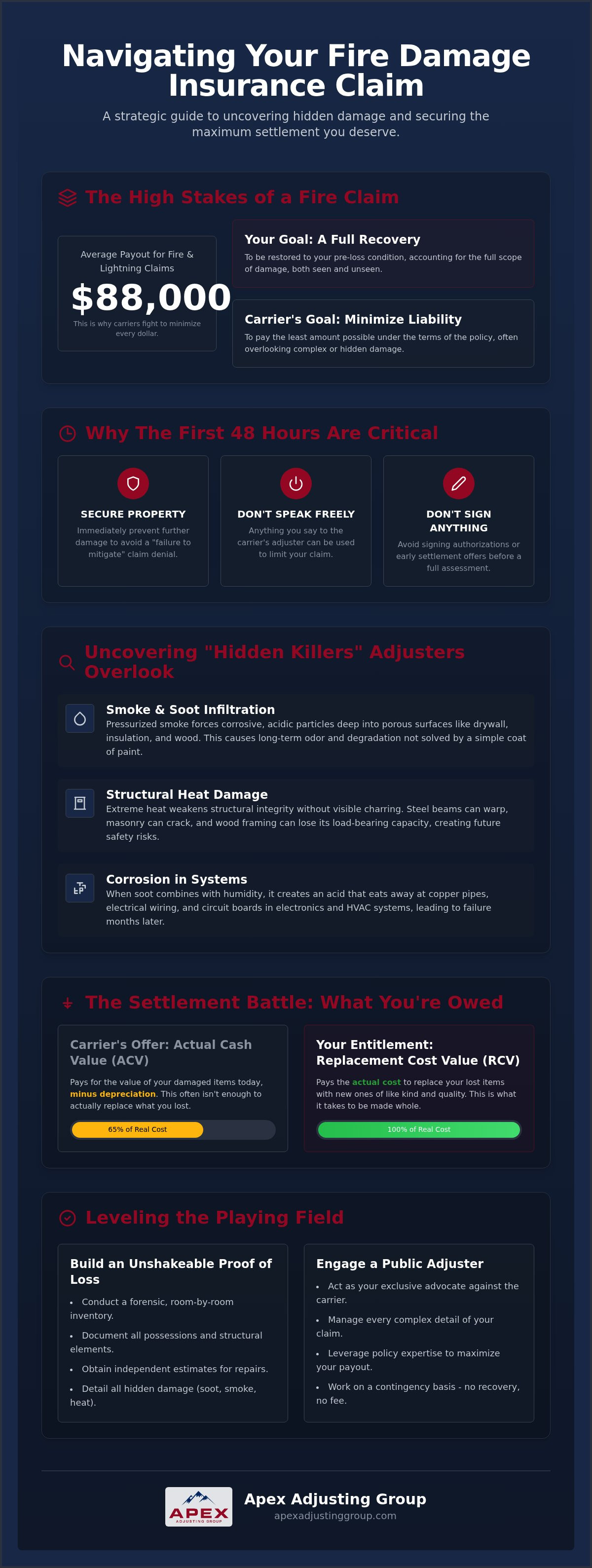
A property fire is a traumatic event that leaves more than just ash in its wake. It creates a financial crisis that can last for years. While understanding property insurance basics is a start, the reality of a fire damage insurance claim is far more combative than most owners expect. Fire is the most complex loss type because it involves heat, smoke, soot, and chemical residues that travel through walls and ventilation systems. Your insurance carrier isn't your partner in this process; they are your financial adversary. Their goal is to minimize their liability. Your goal is a full recovery. The "Proof of Loss" stands as the most critical document in this struggle. It's your formal, sworn statement of the value of your loss. If it's incomplete or inaccurate, you've already lost.
Why Your First 48 Hours Determine Your Payout
The clock starts the moment the fire is extinguished. Carrier adjusters often arrive while you're still in shock, looking for off-the-cuff statements they can use to limit their exposure. Don't fall for the friendly persona. Everything you say is being recorded and scrutinized. Secure your property immediately to prevent further damage, or the carrier will use "failure to mitigate" as a reason to deny parts of your claim. Most importantly, don't sign any settlement documents or work authorizations until you have a professional estimate of the full scope of loss. Speed favors the insurance company. Precision favors you.
The Difference Between 'Covered' and 'Paid'
Being "covered" doesn't mean you'll be made whole. Carriers are experts at using policy limits and sub-limits to shave thousands off your payout. They will push for Actual Cash Value (ACV), which deducts depreciation from your items, instead of Replacement Cost Value (RCV), which pays what it actually costs to buy new. Don't settle for "good enough" repairs. Your policy likely entitles you to be restored to your pre-loss condition, not a patched-up version of your home or business. Demand a settlement that reflects the actual cost of labor and materials in 2026, not an outdated estimate from a carrier-friendly database. A successful fire damage insurance claim requires a fighter's mentality to ensure the money in your pocket matches the damage on the ground.
Identifying Hidden Killers: Smoke, Soot, and Structural Loss
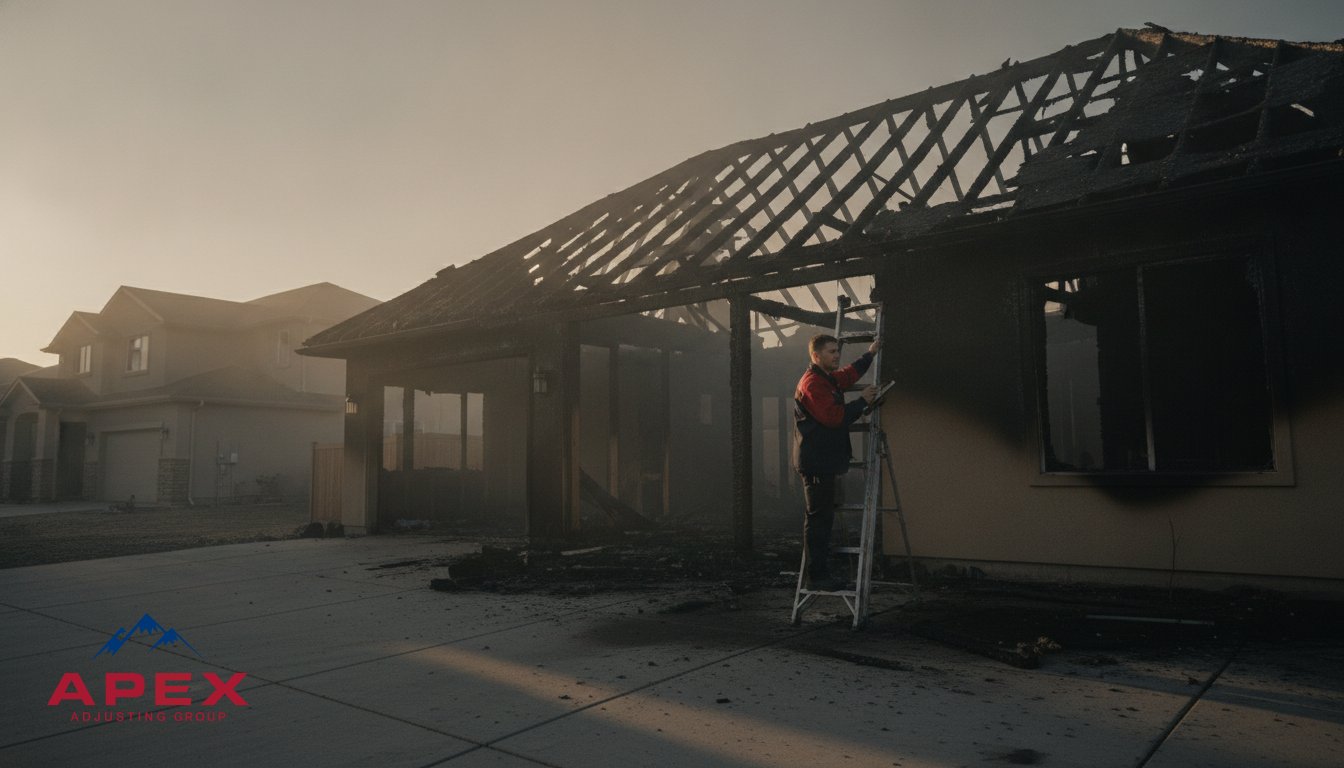
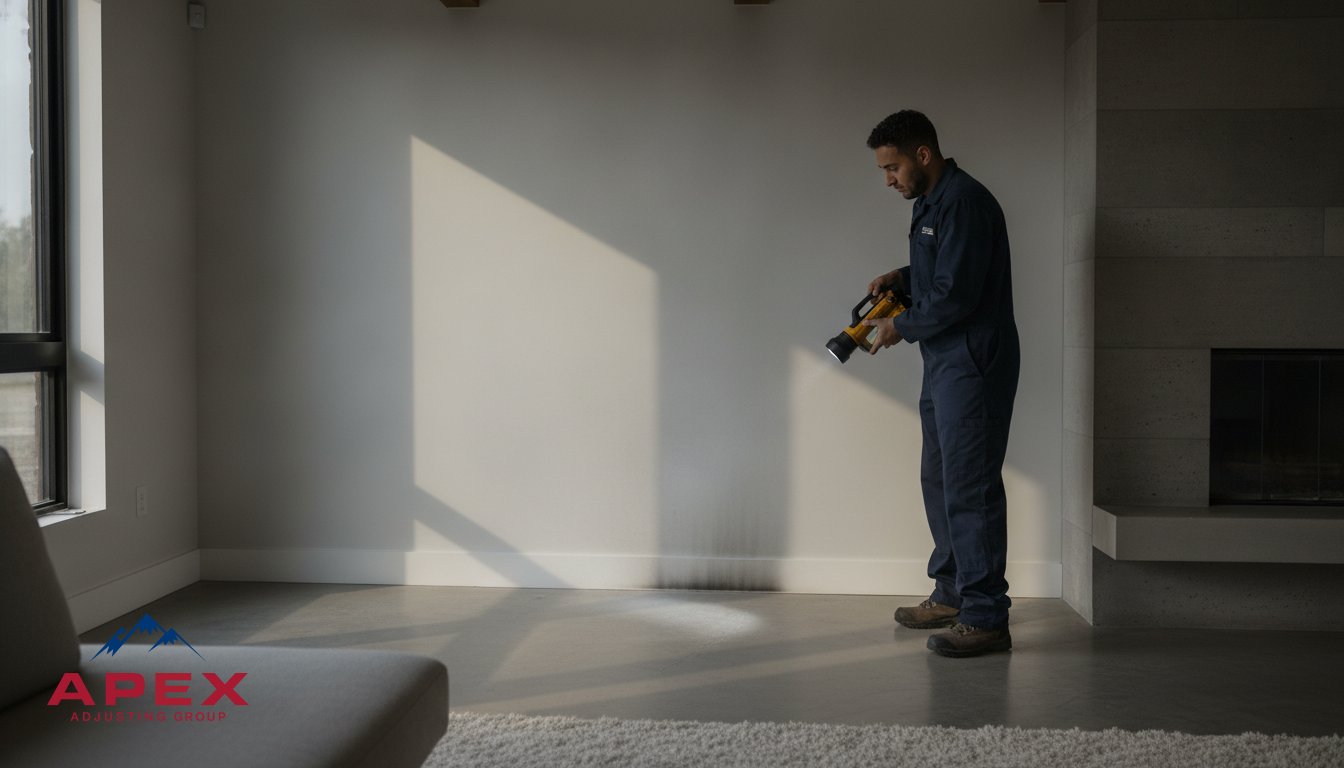
Visible charring is just the beginning of your loss. In a complex fire damage insurance claim, the most expensive destruction often stays out of sight. We define "Hidden Damage" as the chemical and structural degradation caused by heat and smoke that isn't immediately obvious to an untrained eye. While your insurance company's adjuster might only photograph the burnt kitchen, they often ignore the acidic soot settling inside your electronics and plumbing. This residue is corrosive. When soot combines with humidity, it creates an acidic compound that eats through copper pipes and circuit boards. If these aren't addressed during the initial disaster assistance application and claim process, you'll be paying for the replacements out of pocket long after the carrier has closed your file.
Don't ignore the "phantom" odors that seem to disappear and then return months later. These smells aren't in your head. They are trapped inside your walls and floors. If you don't fight for deep remediation now, those odors will become a permanent fixture of your property, tanking its resale value and affecting your health. These particles are toxic, and a simple coat of paint won't stop them from off-gassing into your living or workspace.
The Science of Smoke Infiltration
Smoke is a pressurized gas that forces microscopic particles into every porous surface. Drywall, insulation, and even solid wood act like sponges for these toxic residues. Simply painting over the damage is a cosmetic band-aid that fails to neutralize the problem. You need professional thermal fogging to open the pores of these materials and counteract the trapped particles. Smoke particulate infiltration is a structural loss. If your carrier refuses to pay for specialized cleaning, you are being shortchanged on your recovery. A licensed expert can help you document these invisible losses before they become permanent liabilities.
Heat Damage and Structural Integrity
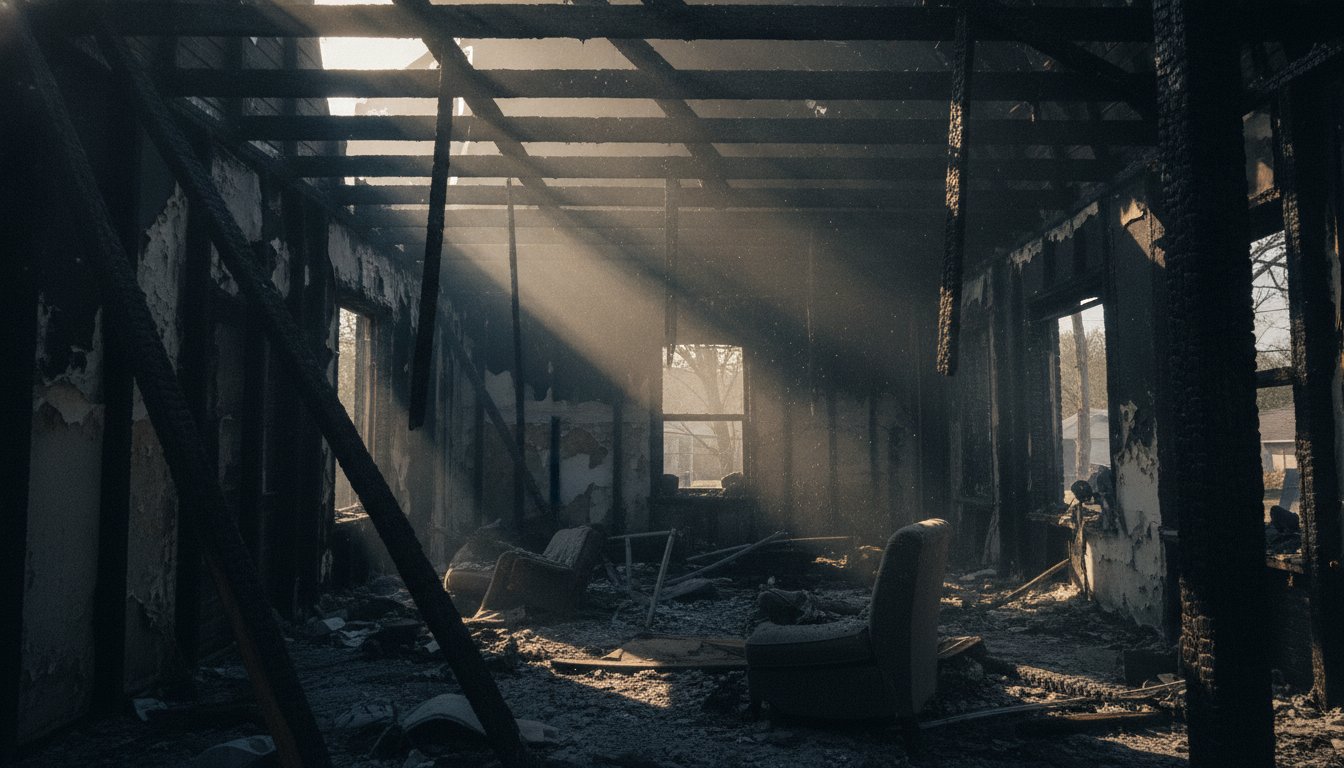
Extreme heat changes the molecular structure of your building materials. Steel beams can warp, masonry can crack, and wood framing can lose its load-bearing capacity without ever catching fire. This "hidden char" behind walls creates a breeding ground for mold and increases the risk of a future structural collapse. A visual check by a carrier-hired adjuster is insufficient. You need independent engineering reports to verify the safety of your home or business. Don't let the insurance company gamble with your safety to save themselves a few thousand dollars. A successful fire damage insurance claim requires a forensic inspection that looks beyond the surface to ensure your property is truly sound.
Adjuster Conflict: Why Your Carrier’s Offer is Just a Starting Point
Your insurance carrier's adjuster is not your advocate. They are a financial gatekeeper. In a fire damage insurance claim, three distinct types of adjusters enter the scene, and understanding their loyalties is vital to your survival. Staff adjusters are direct employees of the insurance company. Independent adjusters are contractors hired by the carrier to handle overflow. Don't let the "independent" label fool you; they are independent of the carrier only in their tax status, not their financial interests. They are paid by the company to minimize the company's loss. Public adjusters are the only licensed professionals who work exclusively for you, the policyholder.
We adopt a champion mindset because the system is rigged against the unrepresented. We only win when you win. This alignment of interests is the only way to ensure every penny of your policy is accessed. While carrier adjusters use internal metrics to suppress costs, we use Xactimate, the same industry-standard software they use, but we populate it with real-world labor and material costs that reflect the true expense of recovery in 2026. We don't guess at values; we prove them.
Common Tactics Used to Underpay Claims
Insurance companies rely on predictable traps to protect their bottom line. They frequently push the "Clean vs. Replace" debate, insisting that smoke-damaged textiles or porous materials can be cleaned when they are scientifically unsalvageable. They also utilize aggressive depreciation schedules to artificially lower the value of your personal or business contents. Perhaps their most effective tactic is rushing the settlement. A fast check is almost always a low check. They want you to sign a release before the full scope of the fire damage insurance claim is even understood. Don't be pressured into a premature agreement that leaves thousands on the table.
The Power of Professional Representation
True recovery requires more than a visual inspection. We conduct a wall-to-wall forensic estimate that documents every square inch of loss, from the roof to the foundation. This process often involves coordinating a team of specialized experts. We leverage industrial hygienists to test for toxic soot residues and structural engineers to verify the integrity of the framing. We negotiate from a position of evidence, not emotion. By building a mountain of undeniable facts, we force the carrier to move beyond their initial lowball offer. This professional leverage is the only way to level the playing field and secure the maximum settlement you deserve.
Strategic Documentation: Building an Unshakeable Proof of Loss
Documentation is the only currency the insurance company recognizes. In a fire damage insurance claim, your memory is your worst enemy. You must replace it with a mountain of evidence. Carriers thrive on ambiguity; your job is to eliminate it. This starts with a room-by-room forensic approach to inventorying your contents. Don't just list "clothes"; list "20 designer shirts with specific brands and purchase dates." If you're a business owner, documenting Business Interruption is equally critical. You need to prove the revenue you would've earned if the fire hadn't occurred, which requires tax returns, profit and loss statements, and proof of canceled contracts.
Don't let the carrier ignore your Additional Living Expenses (ALE). This coverage pays for the increase in your cost of living while your property is uninhabitable. Track every meal, every hotel stay, and every extra mile driven. These "soft costs" add up to tens of thousands of dollars, and carriers often hope you're too exhausted to track them properly. Every receipt is a piece of leverage in your fight for a full recovery.
The Forensic Inventory Process
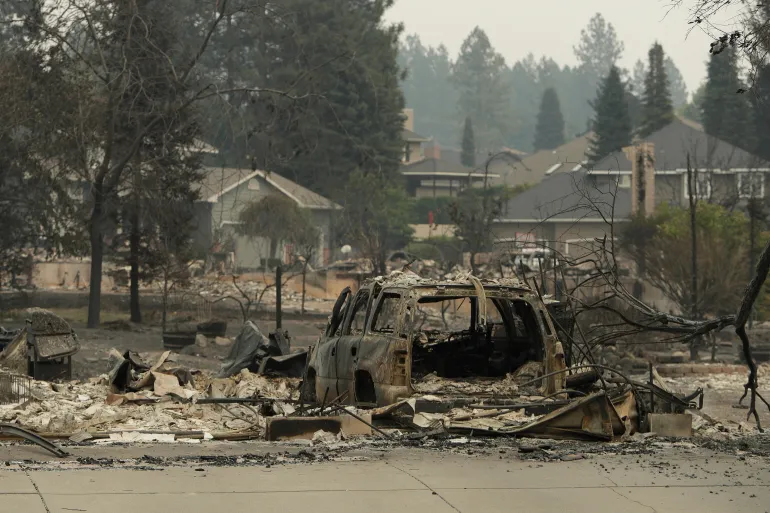
Do not throw anything away. That charred debris pile in your driveway is your primary evidence. If you dispose of items before the adjuster sees them, the carrier will likely deny their existence or value. Use video walkthroughs to narrate the damage. Explain the functionality of the lost equipment or the sentimental and financial value of the contents. Contrast your post-loss video with pre-loss photos from your cloud storage to prove the condition of your assets. This side-by-side comparison makes it impossible for the carrier to argue for lower quality replacements.
Mastering the Paperwork Trail
A Proof of Loss is a formal legal document and a sworn statement that acts as your official declaration of the total value of your claim. This isn't a casual estimate; it's a binding figure that the carrier will use to measure their liability. Organize your paper trail with military precision. Keep a log of every phone call, but ensure every substantive decision is followed up with a written email. If it isn't in writing, it never happened. To ensure your documentation meets these rigorous standards, you should get a free claim evaluation from a professional who knows exactly what the carrier is looking for.
Reclaiming Your Future: How Apex Adjusting Group Maximizes Your Settlement
Apex Adjusting Group stands as a fierce advocate for property owners who are tired of being ignored by their insurance carriers. We don't just process paperwork. We fight for every dollar your policy promises. Dealing with a fire damage insurance claim is a high-stakes battle that requires a specialist's technical precision. You need a champion who understands the intricacies of the system and isn't afraid to challenge a lowball offer. Our end-to-end service takes the entire burden off your shoulders. We handle everything from the initial forensic evaluation to the final negotiations, ensuring you never have to face the carrier alone.
The most common concern is the cost of hiring a professional. You might wonder if a public adjuster will take a big chunk of your money. The answer is found in the settlement results. Statistics consistently show that professionally represented policyholders receive significantly higher settlements than those who go it alone. Because we work on a "No Recovery, No Fee" contingency model, we're financially incentivized to maximize your payout. There are no upfront costs. We only get paid when we successfully secure your recovery. Our expertise effectively pays for itself by uncovering the thousands of dollars in hidden damage the carrier's adjuster missed or ignored. We turn a position of distress into a position of empowerment.
The Apex Advantage in Complex Fire Losses
We specialize in uncovering the hidden structural and toxic smoke damage that others overlook. Our team manages the 24/7 stress of carrier communication so you don't have to. You shouldn't have to spend your nights arguing with an adjuster about depreciation or cleaning protocols. We provide a Free Claim Evaluation to give you a clear, honest assessment of your situation before you commit to anything. This transparency removes the ambiguity from your recovery. We provide the steady, calm presence of a seasoned expert in the middle of your crisis, ensuring every compliance detail is met.
Taking the Next Step Toward Recovery
Your journey doesn't have to end just because the carrier sent a check. If you've already closed a claim but suspect you were underpaid, we can often reopen the file based on newly discovered evidence or missed structural issues. The process is simple. It begins with a professional review of your existing policy and damage reports. We act as a proactive force to ensure your interests are protected. Don't let the insurance company have the last word on your future. Secure your recovery and rebuild with confidence. Contact Apex Adjusting Group today to take command of your claim and get the settlement you deserve.
Secure Your Full Recovery and Rebuild with Confidence
The aftermath of a fire is a high-stakes battle for your financial future. You now know that invisible threats like acidic soot and structural heat damage can sabotage your property value long after the flames are gone. Don't let a carrier's initial offer dictate your recovery. Their adjusters protect the company's bottom line; we protect yours. By prioritizing forensic documentation and challenging the "clean vs. replace" narrative, you've already started the process of a successful fire damage insurance claim. You deserve a settlement that reflects the actual costs of restoration in 2026.
Apex Adjusting Group acts as your fierce advocate and loyal ally. We are licensed public adjusters with national expertise and deep specialization in complex fire, smoke, and structural losses. Our service is contingency-based, meaning we don't get paid unless you do. This alignment of interests ensures we fight for every penny your policy owes you. Stop carrying the massive burden of carrier negotiations alone. Get a Free Fire Claim Evaluation from Apex Adjusting Group today. You have the power to reclaim your future. We have the grit to make it a reality.
Frequently Asked Questions
How long do I have to file a fire damage insurance claim?
Most policies require you to report a loss immediately, but the formal deadline to file a claim is typically governed by the statute of limitations in your specific policy. These deadlines are often strictly enforced. Missing a reporting window can result in a total forfeiture of your rights to recovery. It's vital to review your policy's "Duties in the Event of Loss" section to confirm the exact timeframe for your fire damage insurance claim.
What is the difference between fire damage and smoke damage for insurance?
While both are typically covered under the same peril, fire damage involves the physical destruction of materials by flames, whereas smoke damage is often a chemical contamination. Smoke is highly acidic and can cause "invisible" structural loss that requires specialized testing to identify. Because smoke particles are microscopic, they penetrate areas that heat never touches. You must document both to ensure the carrier pays for the necessary deep remediation and air quality restoration.
Can I reopen my fire insurance claim if I already accepted a check?
You can generally reopen a claim if you discover additional damage that wasn't included in the original settlement. Most initial checks are partial payments, not final releases. Unless you signed a document explicitly waiving all future rights to recovery, you have the right to file a supplemental claim for hidden structural issues or missed inventory. This process requires new evidence, such as forensic reports, to prove that the initial payout was insufficient for your actual loss.
What is a 'Proof of Loss' and why is it so important?
A Proof of Loss is a formal, notarized document that serves as your sworn statement regarding the total value of your claim. It's important because it sets a legal ceiling on what the insurance company is obligated to pay. If you omit specific damages or undervalue your contents on this form, it's extremely difficult to correct those figures later. This document officially triggers the insurer's deadline to either pay or deny your claim based on the evidence provided.
Should I hire a public adjuster or a lawyer for my fire claim?
Hire a public adjuster if your dispute is about the scope or value of the damage. We are experts in construction, contents valuation, and policy interpretation. A lawyer is typically necessary only if the carrier has committed a legal breach or if you're heading into a courtroom. Most fire damage insurance claim disputes are technical rather than legal. We provide the forensic evidence and structural expertise needed to win the valuation battle without the delays of a lawsuit.
How do public adjusters get paid in fire damage claims?
Public adjusters work on a contingency fee basis, which means their payment is a small percentage of the final settlement they recover for you. This model ensures you don't pay anything out of pocket. It also aligns the adjuster's interests with yours; the more they recover for you, the more they earn. This "no recovery, no fee" structure allows property owners to access professional expertise and forensic tools that would otherwise be too expensive to hire upfront.
What happens if my insurance company denies my fire damage claim?
If your claim is denied, you must demand a formal letter that outlines the specific policy exclusions the carrier is citing. A denial isn't the final word. It's often an invitation to provide better evidence. We can review the denial to determine if the carrier is misapplying the policy or ignoring structural facts. If a resolution can't be reached through negotiation, we can often trigger the "Appraisal" clause in your policy to force a neutral third-party valuation.
How do I calculate the 'Actual Cash Value' of my lost items?
Actual Cash Value (ACV) is calculated by taking the current cost to replace an item and subtracting its physical depreciation. Depreciation is based on the "useful life" of the item and its condition at the time of the fire. Carriers often use aggressive tables to lower these values. To fight back, you need to prove the item's pre-loss condition. We use forensic inventory methods to ensure you aren't penalized with excessive depreciation on items that were well-maintained.
Need Help with Your Insurance Claim?
Our licensed public adjusters can help you get the maximum settlement you deserve. Contact us today for a free claim evaluation.
Related Articles